Westwood Neighborhood Association

Aging-In-Place
I recently received this link to Caring.com. It features information about keeping seniors in their own homes and ways to be sure they are safe and happy.
Here is the resource for your reference: https://www.caring.com/caregivers/guide-to-home-security-for-aging-in-place/
Another source is Milepost Senior Services. (Click Here)
Identifying a Stroke
This isn't my story but these seem to be
Good tips for recognizing a stroke!
SIGN OF A STROKE:
Carla tripped and fell during grilling. I offered to call an ambulance, but she assured everyone she was okay and only tripped over her new shoes. She was a little pale and wobbly; she was helped to clean up and was brought another plate of food. Carla spent the rest of the evening happy and joyful.
Carla's husband later called to say his wife had been taken to the hospital. Carla died at 11pm that night. She had a stroke while grilling. If her friends knew how to interpret the signs of a stroke, Carla might still be alive today. Some people don't die right away. They often stay in a desperate situation.
It only takes 1 minute to read the following... A neurologist said that if he can intervene on a stroke victim within 3 hours, he could reverse the effects. He said the trick would be to recognize a stroke, to diagnose and treat patients within 3 hours, but that's not easy.
Recognizing a stroke: there are four stages to recognize a stroke.
-Ask the person to smile (they won't).
-Ask the person to pronounce a simple sentence (for example: "It's very nice today. ").
-Ask the person to raise both arms (she can’t or only partially).
-Asking the person to stick out their tongue (if the tongue is crooked, twist left and right, is also a sign of a stroke. )
If he or she has problems with one of these steps, call an ambulance immediately and describe the person's symptoms over the phone. A cardiologist said that if as many people as possible become aware of this, we can be certain that any life — maybe even our own — can be saved. We send a lot of “garbage” every day through the network, but sometimes you can get stuck with something significant, like this.
If it's this important to you... copy so it can reach more people who might change the fate of those affected by stroke...
American Heart Month
February is American Heart Month
From Bronson Healthcare:
Small Heart-Healthy Habits That Make a Big Difference After 60
February is American Heart Month, a time to focus on caring for the heart at every stage of life. For older adults, heart health can feel complicated, especially when managing medications, chronic conditions or physical changes that come with aging. The good news is that protecting your heart does not require major lifestyle overhauls. Small, consistent habits can make a meaningful difference over time.
As we age, the heart and blood vessels naturally become less flexible. This raises the risk of high blood pressure, heart disease and stroke. Conditions such as diabetes or high cholesterol may also become more common. If this seems scary, don’t get discouraged. Research consistently shows that healthy choices made later in life still improve heart function, energy levels and overall quality of life.
Move More, In Ways That Work for You
Regular movement is one of the most powerful ways to support heart health. You do not need intense workouts to see benefits. Simple activities can strengthen the heart, improve circulation and support balance. Some great options include:
Daily walks, indoors or outdoors
Gardening or light household chores
Stretching or chair exercises
If a long walk or a 30-minute stretching class is too much, try short activity sessions throughout the day. Even 10 minutes at a time adds up! The key is choosing activities you enjoy and can maintain.
Eat Simply and Mindfully
Nutrition plays a key role in heart health, especially as we age. Rather than restrictive diets, focus on balanced meals that support long-term wellness:
Fruits and vegetables
Whole grains
Lean proteins such as fish, poultry or beans
Healthy fats like olive oil or nuts
Limiting sodium is especially important, as excess salt can raise blood pressure. Reading food labels and choosing lower-sodium options can make a big difference. Staying hydrated is another often overlooked habit that supports both heart and overall health.
Keep Track of Your Numbers
Managing key health numbers is essential for protecting your heart. Regular checkups allow your health care provider to identify changes early and adjust care as needed. Important areas to monitor include:
Blood pressure
Cholesterol levels
Blood sugar
Taking medications exactly as prescribed is critical, even when you feel well. If side effects or costs are a concern, talk with your healthcare team. There may be alternative options.
Prioritize Sleep and Manage Stress
Good sleep and stress management are just as important as diet and exercise. Not getting enough or getting low quality sleep as well as ongoing stress can strain the heart and raise blood pressure. Simple strategies can help. Try:
Keep a consistent sleep schedule
Limit caffeine later in the day
Create a calming bedtime routine
Practice relaxation techniques such as deep breathing, prayer or meditation
Spend time outdoors or listening to music
These small steps can help calm the body and support heart health.
Stay Socially Connected
Social connection is a powerful but often an overlooked factor in heart health. Loneliness and isolation have been linked to higher rates of heart disease, especially in older adults. Staying connected supports emotional well-being and encourages healthy habits. This can include:
Spending time with friends or family
Participating in faith or community groups
Volunteering, making phone calls and meeting for shared activities.
The most important message during American Heart Month is that it is never too late to care for your heart. Progress matters more than perfection. Making one or two small changes and building from there can lead to lasting benefits. Partnering with your primary care provider or cardiology team can help you set realistic goals and stay on track.
Your heart has carried you through decades of life’s moments. This February, take a few simple steps to return the favor. Small habits practiced daily can help keep your heart strong for years to come.
Take the Next Step Toward a Heart-Healthy Life
Small changes are easier to make with support. Join one of Bronson’s free, virtual Healthy Living or Healing Kitchen classes. Topics range from heart-healthy nutrition and cooking to staying active and building meaningful connection.

Common Heart Attack Signs

See Something - Say Something

The Police Need Your Eyes & Ears
See Something going on that shouldn't happening, Say Something!
269-488-8911 is the non-emergency phone for the county's five police agencies.
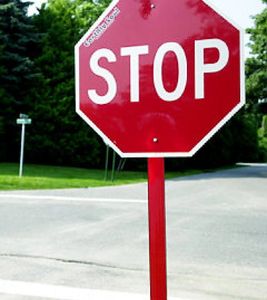
People And Stop Signs
It seems like these red signs are ignored by more and more drivers.
Do you have any ideas how we can change this bad habit?
more safety tips

Using The ATM
Lock Your Doors At Home
Using The ATM
Try to plan your visits to the automatic teller during the day, rather than after dark.
Choose an ATM location that is in a busy public place.
When visiting a drive-through ATM, keep your doors locked and be prepared to drive away quickly. If anyone approaches your car on foot, roll up your window and drive off.
Pre-plan your transaction car
Try to plan your visits to the automatic teller during the day, rather than after dark.
Choose an ATM location that is in a busy public place.
When visiting a drive-through ATM, keep your doors locked and be prepared to drive away quickly. If anyone approaches your car on foot, roll up your window and drive off.
Pre-plan your transaction carefully, and don't spend too much time at the machine.
When you make a withdrawal, quickly place the money in your purse or wallet and leave as soon as you finish.
Watch out for suspicious-looking people waiting around an ATM - they may not really be customers. If someone offers to let you go ahead of them, decline politely and leave.
If you have not finished your transaction and you are approached by a suspicious character, press the CANCEL button, receive your card, and leave quickly.
Lock Your Car
Lock Your Doors At Home
Using The ATM
Always lock your car and take the keys, even if you'll only be gone a short time.
Lock doors when driving.
If your car breaks down, raise the hood and place emergency reflectors or flares. Then stay in the locked car. When someone stops to help, don't get out. Ask him or her (through a closed or cracked window) to telephone the police to co
Always lock your car and take the keys, even if you'll only be gone a short time.
Lock doors when driving.
If your car breaks down, raise the hood and place emergency reflectors or flares. Then stay in the locked car. When someone stops to help, don't get out. Ask him or her (through a closed or cracked window) to telephone the police to come and help.
If you're coming or going after dark, park in a well-lit area that will still be well-lit when you return.
Never pick up hitchhikers.
Control you keys. Never leave an identification tag on your key ring. If your keys are lost or stolen, it could help a thief locate your car and burglarize your home.
If carrying packages or valuable items, store them in your trunk. If you do leave packages, clothing, or other articles in the car, make sure they are out of sight.
Keep the following information in a safe location: Year, Make, Model, Color, VIN, License #, Identifying Marks, Insurance Co., and policy.
And remember, Nearly half of the vehicle thefts the drive left the keys in the car, in the ignition and/or left the car unlocked. Never leave a running car unattended. Lock your car and/or park in a garage with the door closed and locked. Never leave valuables or packages in your car - it is too tempting.
Lock Your Doors At Home
Lock Your Doors At Home
Lock Your Doors At Home
Make sure that ALL doors to the outside are metal or solid, 1 3/4" hardwood and ALL have good, sturdy locks.
Use the locks you have. Always lock up your home when you go out, even if it's only for a few minutes.
Secure sliding glass doors with commercially available bars or locks, or put a wooden dowel or broomstick in the door track.
Make s
Make sure that ALL doors to the outside are metal or solid, 1 3/4" hardwood and ALL have good, sturdy locks.
Use the locks you have. Always lock up your home when you go out, even if it's only for a few minutes.
Secure sliding glass doors with commercially available bars or locks, or put a wooden dowel or broomstick in the door track.
Make sure your windows, especially at ground level, have good locks, and use them.
Make sure all porches and other possible entrances are well-lit.
Don't hide your house keys under the doormat or in a flowerpot. It's much wiser to give an extra key to a trusted neighbor.
Keep written records of all furniture, jewelry, and electronic products. If possible, keep these records in a safe deposit box, fireproof safe, or other secure place. Take pictures or a video, and keep purchase information and serial numbers if available. These help law enforcement agencies track recovered items.
Clearly display your house number, so police and other emergency vehicles can find your home quickly. (This is so important, it is required by Kalamazoo Township Ordinance.)
If you see a screen that has been cut, broken windows, or a door that's been left open, don't go in. Call the police from a safe location.
If you hear a noise that sounds like someone breaking in or moving around, quietly call the police. If you can leave safely, do so. Otherwise, lock yourself in the room you are in and keep quiet.
Think carefully before buying a firearm for protection. Guns can be captured and used on you or the police, or they can be stolen and sold to anyone. In fact, firearms are so sought after that someone could break into your home for the sole intent of stealing a gun. If you do own a gun, keep it locked up, with the ammunition secured separately, and learn how to use it safely
Sidewalks

Sidewalks in poor shape
If you walk your neighborhood, you probably encounter sidewalks that are not safe to walk on - tree-roots have raised many sections as well as other sections have not held up and are cracked and broken.
Township Sidewalk Plan
Link to Township's report on sidewalks.
Sidewalks don't reach the streets
For years, because of codes, sidewalks on corner lots couldn't go to the street - just like you were not to extend your concrete drive to the street and had to use blacktop or gravel.
Now with ADA guidelines, these sidewalks are being connected to streets with the special "rumble strips" to assist the sight-challenged or those who become distracted.